Software engineering & IT services
Software that fits the way your organisation actually works
RIVER AUTOS LIMITED designs, builds and maintains custom software, web applications and cloud-based systems. We focus on clear requirements, readable code and infrastructure that can be operated and changed long after the first release.
- Build
- Custom applications and services
- Integrate
- APIs, data flows and automation
- Operate
- Cloud, monitoring and support

Company introduction
An IT company built around long-lived systems
RIVER AUTOS LIMITED is an information technology company. We work with organisations that rely on software to run daily operations and need that software to be dependable, understandable and possible to change as requirements move.
Our engagements usually begin with a specific problem: a manual process that no longer scales, data spread across disconnected tools, an application that has become expensive to modify, or a new product idea that needs a technical foundation. We work through the problem with you before proposing a solution.
We describe what we can do and how we do it. We do not make claims about outcomes that depend on factors outside the engineering work, and we prefer a smaller, well-understood first delivery over a large specification written before anything has been validated.

Core IT services
What we provide
Custom software development
Applications and services designed around your processes, data and users rather than around a fixed product template.
Web application development
Responsive, accessible browser-based applications, from internal tools and dashboards to customer-facing platforms.
Cloud and infrastructure
Environment design, deployment pipelines, containerised runtimes, backups, logging and monitoring.
Systems integration
APIs and data exchange between internal systems and third-party services, with clear contracts and error handling.
Workflow automation
Replacing repetitive manual steps with scheduled jobs, event-driven processing and validated data flows.
Quality assurance
Automated and exploratory testing, regression suites and release checks that keep changes predictable.
IT consulting
Technical assessment, architecture review and planning support for teams deciding what to build or rebuild.
Maintenance and support
Ongoing updates, fixes, dependency management and assistance for systems already in production.
Software development
Engineering capabilities
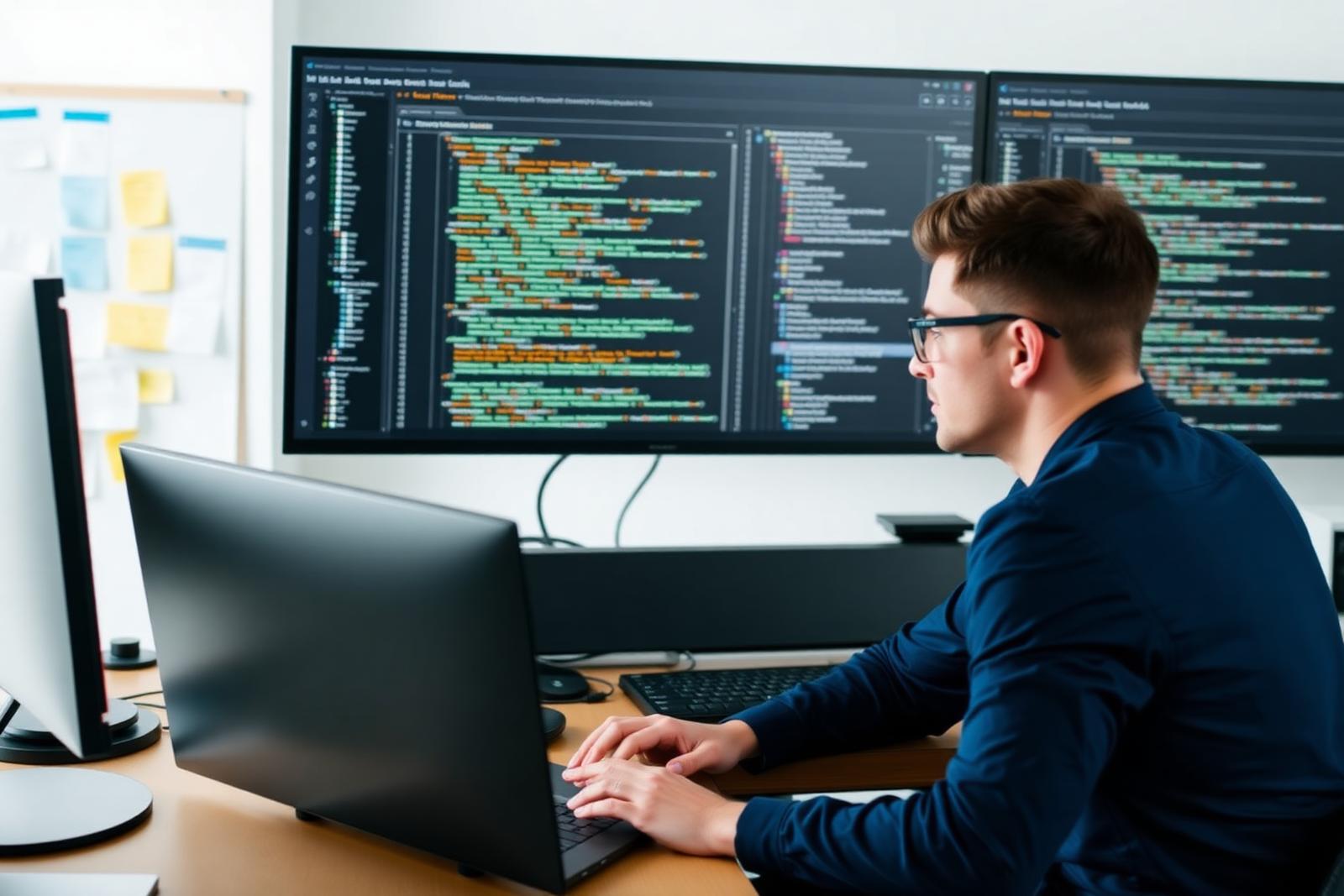
We build backend services, data models, scheduled processing and user interfaces as one coherent system. Domain logic is kept explicit and separated from transport and presentation concerns so that behaviour can be tested and reasoned about directly.
Typical work includes designing relational schemas and migrations, implementing HTTP and event-driven services, structuring authentication and authorisation, handling background jobs, and producing the operational tooling a system needs once it is live.
Code review, version control conventions, automated builds and written technical notes are part of delivery, not optional extras. The objective is a codebase another engineer can pick up.
Web applications
Browser-based systems people use every day

Web applications are our most common delivery format: administrative back offices, reporting dashboards, customer portals, booking and request systems, and internal tools that replace spreadsheets.
Responsive interfaces
Layouts that remain usable from small mobile screens to large desktop displays.
Accessibility
Semantic markup, keyboard operability, readable contrast and descriptive alternative text.
Performance
Sensible payload sizes, cached responses, indexed queries and measured load behaviour.
Role-based access
Permissions modelled explicitly so that each user sees only the data relevant to them.
Cloud and infrastructure
Environments designed to be operated
We set up and maintain the environments applications run in: separated development, staging and production configurations, repeatable deployments, secret handling, backups and restore procedures.
Observability is treated as part of the system. Structured logs, health checks, metrics and alerting are configured so that problems surface before users report them, and so that incident investigation does not depend on guesswork.
Where an existing deployment is fragile or manual, we can move it step by step towards automated, documented processes without requiring a full rewrite.
Integration and automation
Connecting systems and removing manual steps
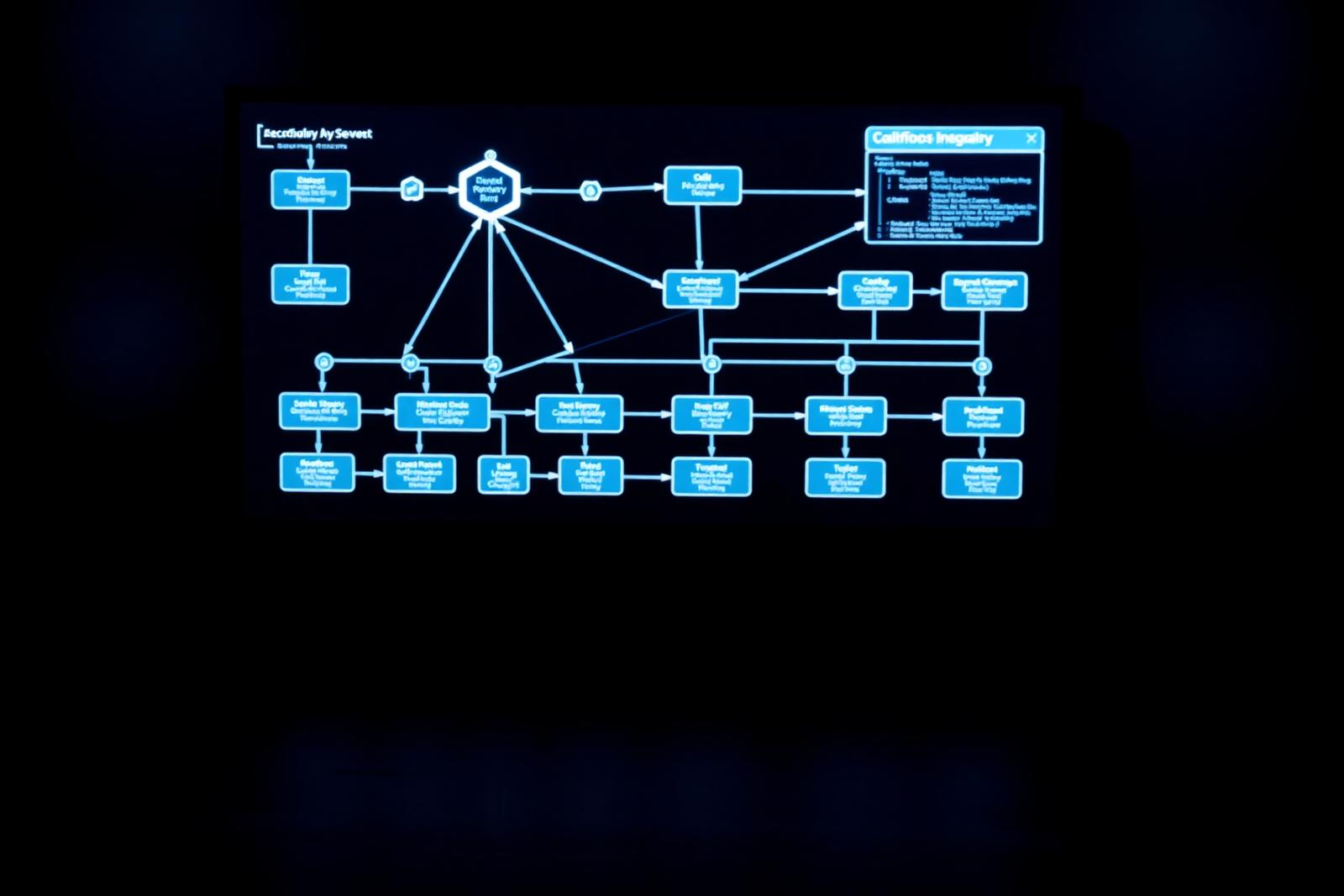
Many operational problems are not missing features but missing connections. Data is re-entered between tools, exports are reconciled by hand, and status information lives in someone's inbox.
API development
Documented interfaces with versioning, validation and predictable error responses.
Third-party integration
Connections to payment, messaging, storage, accounting and other external services.
Data pipelines
Scheduled or event-driven transfers with transformation, validation and retry handling.
Process automation
Approvals, notifications, document generation and recurring tasks handled by the system.
Quality assurance
Testing that makes change safe
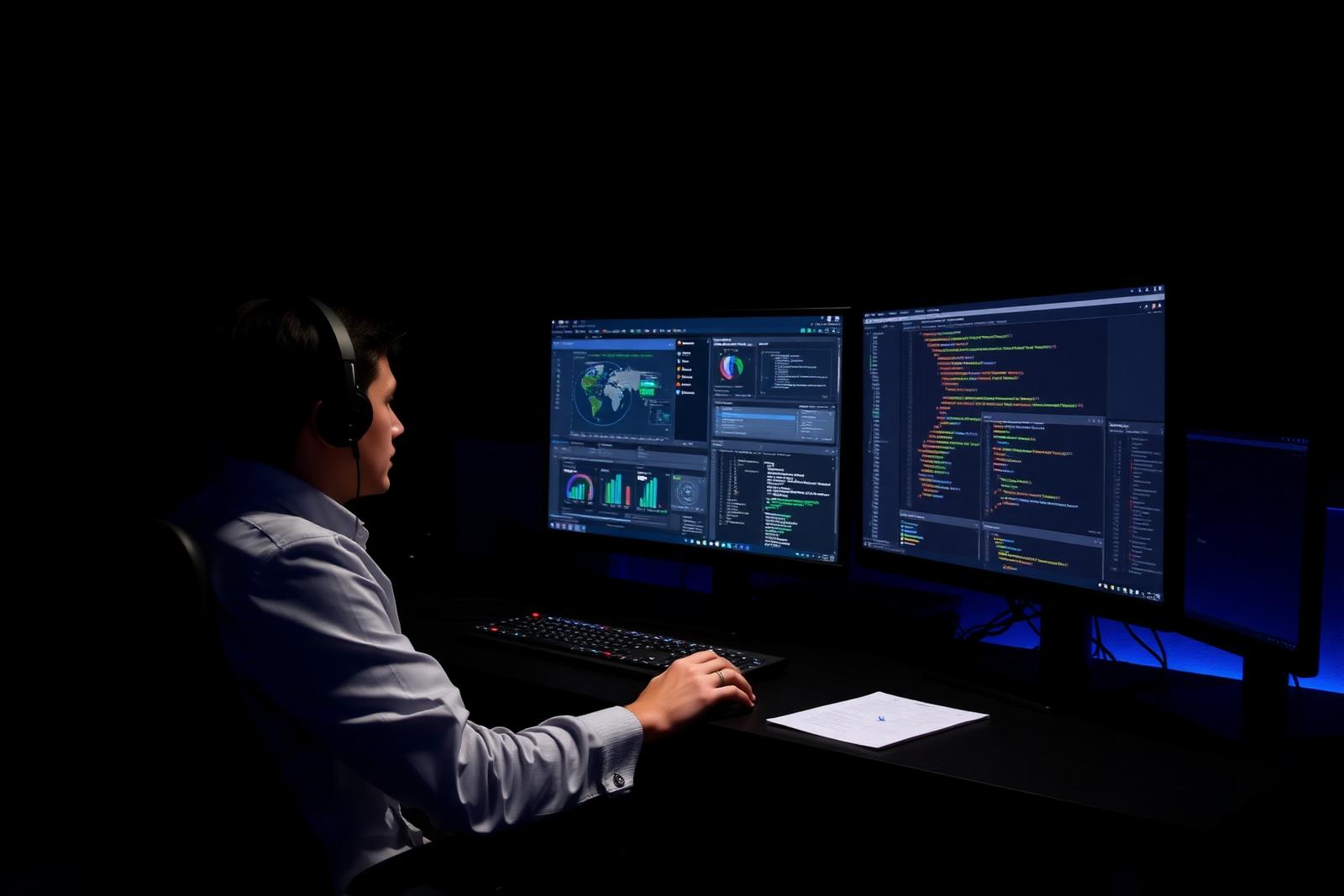
Testing exists so that a system can keep changing. We combine unit tests around domain logic, integration tests across service and database boundaries, and end-to-end checks on the paths that matter most to the business.
Test suites run automatically on every change, and failures are treated as blocking rather than informational. Manual exploratory testing complements automation where judgement is required, such as usability review of new interfaces.
Defects are reproduced, covered by a test, then fixed, so that the same regression does not return in a later release.
Security-conscious development
Security practices applied during development
Input validation
Requests are validated at the boundary, with parameterised queries and encoding applied consistently.
Access control
Authentication and authorisation are modelled explicitly and enforced on the server, not only in the interface.
Secret management
Credentials are stored outside source control and scoped to the environment that needs them.
Dependency review
Third-party packages are reviewed and updated, with known-vulnerability checks in the build pipeline.
Data handling
Personal and sensitive data is limited to what a feature needs, encrypted in transit and access-logged.
Review of sensitive changes
Changes affecting login, permissions or personal data receive dedicated review before release.
These are working practices applied during development. They describe how we build software and are not a statement of certification or regulatory approval.
Industries and business needs
Where this work is typically applied
Professional services
Client records, project tracking, time capture, document generation and internal reporting.
Retail and e-commerce
Catalogue and order data, stock synchronisation, fulfilment workflows and back-office tooling.
Logistics and operations
Scheduling, dispatch information, status tracking and integration between operational systems.
Education and training
Course and enrolment administration, content delivery portals and progress reporting.
Non-profit and public interest
Registration systems, structured data collection and reporting for stakeholders and funders.
Technology products
Platform components, developer-facing APIs and infrastructure support for growing products.
Project delivery
How a project moves from idea to production
- 01
Discovery
We examine the problem, current systems, users and constraints, and agree what success would look like.
- 02
Scope and approach
A proposed architecture, sequence of work and known risks are written down and reviewed with you.
- 03
Iterative build
Work proceeds in short increments, each ending with something reviewable rather than a status report.
- 04
Testing and review
Automated tests, code review and exploratory checks run continuously, not only before release.
- 05
Release
Deployment is automated and repeatable, with rollback available and monitoring in place beforehand.
- 06
Support and iteration
After release we monitor behaviour, resolve issues and continue with agreed improvements.
Collaboration
How we work with your team
Written first
Decisions, assumptions and open questions are recorded in writing so they remain available to everyone involved.
Regular checkpoints
Short, scheduled reviews replace long silences, and demonstrations show real working software.
Direct access to engineers
Discussion happens with the people writing the code, which shortens the path between question and answer.
Knowledge transfer
Documentation, walkthroughs and readable code mean your team is never dependent on a single explanation.
Maintenance and support
Keeping systems healthy after launch
Software does not stay still. Dependencies release security updates, platforms change their APIs, data volumes grow and business rules evolve. Maintenance work keeps a system aligned with that movement instead of allowing it to drift into fragility.
Corrective
Investigating and resolving defects reported by users or surfaced by monitoring.
Preventive
Dependency and platform updates, refactoring and removal of accumulated technical debt.
Adaptive
Adjusting the system when external services, regulations or internal processes change.
Evolutionary
Adding capabilities incrementally as priorities become clearer through real usage.
Frequently asked questions
Questions we are commonly asked
- What kind of company is RIVER AUTOS LIMITED?
- RIVER AUTOS LIMITED is an information technology company. Our work covers software engineering, web application development, cloud and infrastructure services, systems integration, workflow automation, quality assurance and ongoing technical support.
- How does an engagement usually start?
- An engagement typically starts with a discovery conversation about the problem you are trying to solve, the systems already in place, and the constraints that matter to you. From there we describe an approach, the scope we consider realistic, and how the work would be sequenced.
- Do you work with existing systems or only new builds?
- Both. We build new applications and we also extend, integrate with, or gradually improve software that is already running in production, including systems maintained by other teams.
- Which technologies do you work with?
- We work primarily with web technologies, relational and document databases, HTTP and message-based APIs, containerised deployments, and mainstream cloud platforms. Technology choices are made per project against maintainability and operational requirements rather than novelty.
- How is progress communicated during a project?
- Work is broken into short, reviewable increments. Each increment is accompanied by a written summary of what changed, what is in progress, and any decisions or risks that need input from your side.
- What happens after a project is delivered?
- We can continue with maintenance and support: dependency and security updates, monitoring, bug fixes, small enhancements, and assistance when your team needs to take ownership of the codebase.
- How do you approach security?
- Security is treated as part of ordinary engineering: input validation, least-privilege access, secret management, dependency review, encrypted transport, and code review of changes that touch authentication, authorisation or personal data.
- How can we contact you?
- The company email address is samuelriley1998@gmail.com. Describing the business problem, the current systems involved and your intended timeframe helps us respond usefully.
Contact information
Getting in touch
Enquiries are handled by email. A short description of the business problem, the systems currently involved and your intended timeframe helps us give a useful first response.
All contact details on this website are shown as plain text.
- Company
- RIVER AUTOS LIMITED
- samuelriley1998@gmail.com
- Website
- riverautogroup.com
- Language
- Correspondence in English